Ahmad Abtokhi, Hisyam Fahmi and Mohammad Sholahuddin
2026 VOL. 13, No. 2
Abstract: Identifying the critical factors in developing a physics Learning Management System (LMS) that effectively improves students' problem-solving skills is crucial. Higher education institutions worldwide are striving to enhance their ability to adapt and adjust to emerging models of knowledge, information, and change. This study aims at developing and evaluating an LMS designed specifically for undergraduate physics students. This study employed a Research and Development (R&D) strategy, following the Borg and Gall Model. The tool’s effectiveness and validity were evaluated quantitatively using a descriptive analytic approach, with expert validation scores ranging from 1 to 5. Additionally, its practicality was tested through student questionnaires and Importance-Performance Analysis (IPA). The LMS has undergone validation, achieving an average score of 85.6%. This indicates the need for minor adjustments to further boost its usefulness in enhancing problem-solving skills among undergraduate physics students. The IPA analysis indicated that the majority of indicators were functioning effectively and should be upheld. However, there is room for improvement in terms of suitability, and it appears that durability and user impression may be receiving excessive focus.
Keywords: basic physics learning, Important-Performance Analysis, Indonesian higher education, Learning Management System, validity
It is essential to identify the critical factors involved in developing a physics Learning Management System (LMS) that can effectively enhance students' problem-solving skills. Higher education institutions worldwide are currently striving to adapt and adjust emerging models of knowledge, information, and change (LeBlanc, 2018; Vidal, 2023; Waller et al., 2019). Higher education needs to provide students with a diverse range of skills, specifically those associated with critical thinking, problem-solving, creativity, communication, and collaboration (Abtokhi et al., 2024), as well as proficiency in utilising information technology (Açıkgöz et al., 2022; Hidayati et al., 2025). In physics education, problem-solving skill is an important competency (Bancong & Subaer, 2013; Gumisirizah et al., 2024; Jatmiko et al., 2016); however, a significant gap exists between academic requirements and student performance. Despite problem-solving being a High-Order Thinking Skill (HOTS) involving logical cognitive-behavioural steps (Rahman, 2019), students frequently demonstrate a notable weakness in understanding fundamental concepts and visualising problems (Abtokhi et al., 2021; Winingsih et al., 2023). This problem is compounded by the fact that many instructors have not been able to facilitate these vital skills effectively (Rizal, 2023).
The conceptual framework of this study hypothesises that the integration of Information and Communication Technology (ICT) through an LMS acts as a mediator to enhance student learning outcomes. An LMS facilitates flexible, self-directed learning by offering multimedia resources, simulations, and discussion forums (Pustaka & Saksono, 2012; Setiawan et al., 2022; Widarini et al., 2025). Technology plays an important role in facilitating the effectiveness of the learning process, which depends upon the quality of teaching, teaching staff, and curriculum (Desai & Patwardhan, 2025; Putri & Candra, 2023). Previous studies indicate a positive correlation between technology-supported teaching and academic achievement, particularly when HOTS are integrated into the platform (Batdi et al., 2018; Djudin, 2023). However, the literature reveals a gap in the lack of dedicated LMS tools that prioritise User Experience (UX), while specifically targeting the five key indicators of physics problem solving (Junus et al., 2015; Mahzum et al., 2023; Santoso et al., 2016). Additionally, the LMS was designed to be user-friendly, capable of offline usage, and equipped with automated grade management capabilities (Nazhifah & Fathurohman, 2023).
This study aims to evaluate critical factors in an ICT-based basic physics learning tool that utilises an LMS to improve undergraduate students' problem-solving skills. Specifically, it sought to enhance the quality of basic physics education in higher education by creating an LMS that met product validity and practicality standards, and also to analyse the effectiveness of integrated ICT tools (worksheets, videos, and simulations) in enhancing specific problem-solving indicators. To achieve these objectives, the study addressed the following research questions:
RQ1: To what extent did the developed LMS-based learning tool meet the criteria for validity in a higher education setting?
RQ2: What components were important factors in the practicality of the LMS in physics learning?
This study employed a research and development (R&D) approach, using the Borg and Gall Model to develop the LMS tools and the Importance-Performance-Analysis (IPA) method to evaluate service quality. The Borg and Gall Model cycle was designed to develop and validate educational products. It serves as a procedural guide to ensure that the final product meets established standards and goals (Untoroseto & Triayudi, 2023). The Borg and Gall Model of research and development has four main characteristics:
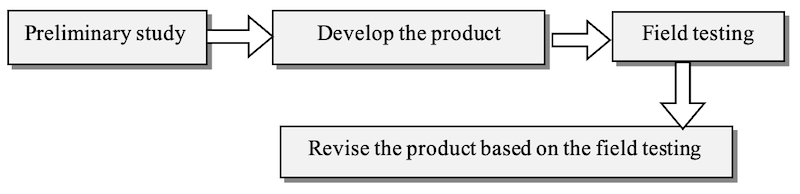
Figure 1 shows the R&D structure used in this study. This research went through several steps, including preliminary studies and analysis as a starting point, designing and developing an LMS, and, finally, the validation process. Next, a small test was done to see how useful and efficient the LMS was at helping a group of physics students that consisted of 30 students at higher education institutions. After that, more extensive tests were done with a larger group of 107 students, including students from three different universities.
Quantitative descriptive analysis was used to evaluate expert validation through a Likert scale from one to five (1-5), where score 5 represented the highest level of agreement, quality, and validity, and score 1 represented the lowest. The study utilised a 25-item questionnaire based on the key indicators: LMS quality, information and service quality, user satisfaction, benefits, structure, and materials. It was crucial to use Equation (1), as put forth by Setyaningrum (2020), to evaluate the dependability of this research and development product:
where p was the percentage score, Σx was the total number of answers from respondents in one question, and Σx' was the total number of ideal scores in one question.
The effectiveness of ICT-based basic physics learning tools, supported by an LMS, in improving students’ ability to solve physics problems was checked by examining numerical data shown in the form of tables. The data was subsequently interpreted using a rating scale, as shown in Table 1 (Lubis et al., 2020). The rating scale indicates that an ICT-based basic physics learning device utilising an LMS can be considered valid and free from revision if it attained a validation percentage of 100%. A validation percentage ranging from 80% to 99% signifies a relatively valid device that may necessitate minor revisions or minimal enhancements. Conversely, a validation percentage between 50% and 79% denotes a device with low validity, requiring substantial revision or significant improvements. If the percentage indicated a value below 50%, it is necessary to thoroughly review the ICT-based basic physics learning tool implemented through the LMS as it was determined to be incorrect.
Table 1: Validity Rating Scale

LMS practicality was assessed using a 12-item questionnaire administered to 137 undergraduate physics students, post-implementation. The survey evaluated service quality by comparing user expectations with perceptions across key factors, including performance, features, functionality, applicability, compatibility, durability, maintenance time, visual appeal, user perception, usability, navigation, and the provision of valuable material. The analysis of student answers about the significance and effectiveness of LMS tools was conducted using IPA. The indicators of the LMS evaluation are described in Table 2. This analytical approach was employed to evaluate the quality in the context of the learning process. The IPA map was divided into four quadrants (Akbar, 2021).
Table 2: The Indicators of the LMS Evaluation

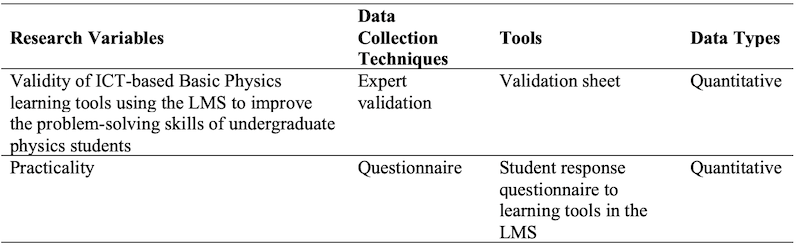
A summary of research variables, data collection techniques and tools and data types is shown in Table 3.
Table 3: Research Variables, Data Collection Techniques Tools and Data Types
The outcome of this study was an educational tool designed to enhance the proficiency of physics problem-solving skills within the context of higher education. The process of developing an LMS through the Borg and Gall approaches was as follows.
The initial step involved comprehensive information collection to understand the current landscape of physics problem-solving skills within higher education. This process included conducting surveys and interviews with both students and educators to gather insights about their experiences and challenges in mastering physics concepts. Additionally, a thorough literature review was undertaken to identify existing educational tools and their limitations. This research aimed to pinpoint specific areas where students struggle, such as conceptual understanding, application of theoretical principles, and effective problem-solving techniques. The findings from this phase provided a solid foundation for the subsequent planning and development of the educational tool.
The next step was to plan the educational tool's design and content. This involved outlining the specific features and resources that would be included to address the gaps identified in the research. Key components of the tool were established, such as interactive quizzes, multimedia resources (including videos and animations), progress tracking capabilities, and certification elements to recognise student achievements. A critical decision was made to utilise the LearnDash LMS due to its flexibility and user-friendly interface. The selection of LearnDash was made after careful deliberation, considering its numerous advantages, which were anticipated to positively influence the effectiveness and efficiency of learning activities.
Several advantages of this learning platform can be identified. Firstly, it offers flexibility and ease of use, allowing users to navigate and interact with the platform easily. Additionally, the platform provides complex quizzes, enabling educators to create more sophisticated and engaging assessments for learners. Another notable feature is the drag-and-drop functionality, which enhances interactivity and promotes active learning. Furthermore, the platform offers badges and certificates, which can serve as tangible recognition for learners’ achievements. Moreover, thorough reporting capabilities are available, allowing educators to track and analyse learners’ progress effectively. Lastly, the platform is compatible with various media files, facilitating the integration of multimedia elements into the learning experience. The LMS system was specifically designed for Indonesian students to ensure that the content is presented in the Indonesian language.
The LMS offers a range of capabilities, which include:
The development phase focused on creating the educational tool and its associated content. This involved the meticulous design of learning modules specifically aimed at enhancing physics problem-solving skills for higher education students. Each module was crafted to be engaging and educational, ensuring that the content was relevant and accessible. The integration of these modules into the LearnDash LMS was a significant focus, allowing for a seamless user experience. Features such as quizzes were developed to encourage student engagement, while drag-and-drop functionalities were implemented to foster active learning. Additionally, all content was presented in the Indonesian language, catering to the target audience and ensuring comprehension.
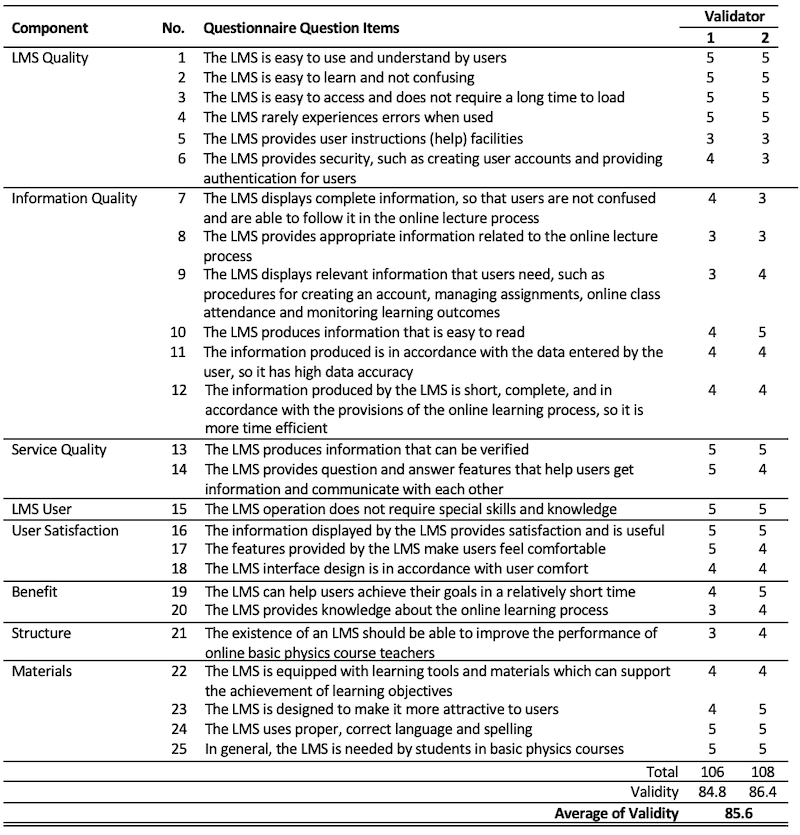
The next step was implementation within higher education settings. This phase involved launching the tool and providing the necessary training for educators to effectively utilise the LMS in their teaching practices. There was a validation process carried out before the product launch. The process of validation involved an evaluation conducted by two validators. The outcomes of the expert validation process conducted on the created instructional materials are presented in Table 4. According to the data presented in Table 4, the average validation value was 85.6, which falls under the category of "Fairly valid with minor revisions" as per the established criteria. The findings of the evaluation conducted by the two assessors indicated that the ICT-based basic physics learning tool, which utilised an LMS, effectively enhanced the problem-solving abilities of undergraduate students in the field of physics. The tool was considered appropriate for educational purposes, although with minor modifications, primarily involving the inclusion of additional information within the LMS platform.
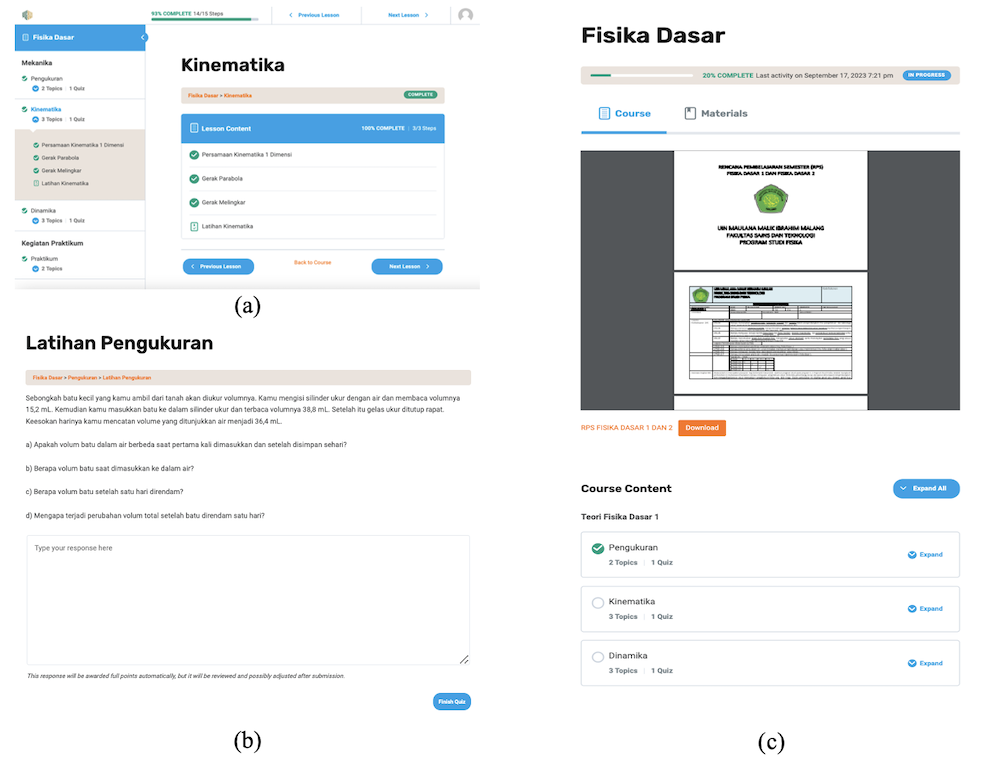
Table 4: Validation Results of ICT-based Basic Physics Teaching Materials
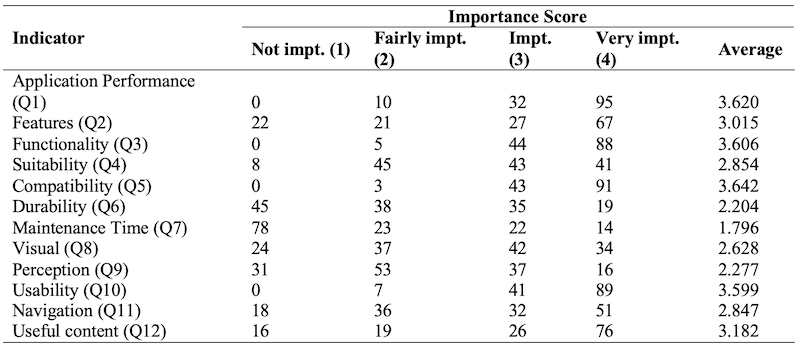
Evaluation played a crucial role in assessing the effectiveness of the educational tool in improving physics problem-solving skills. Surveys were conducted to obtain insights into usability, engagement levels, and perceived learning outcomes. A questionnaire with 12 statement items was used to collect data from 137 undergraduate physics students regarding their answers to ICT-based basic physics learning materials. The data was gathered through the LMS. The Likert scale was employed to provide scores for each assertion, considering both the degree of quality and significance of the research outcome. The distribution of student feedback about the importance and performance of the system is presented in Tables 5 and 6.
Table 5: Student Responses to Performance of Basic Physics Learning Tools using LMS
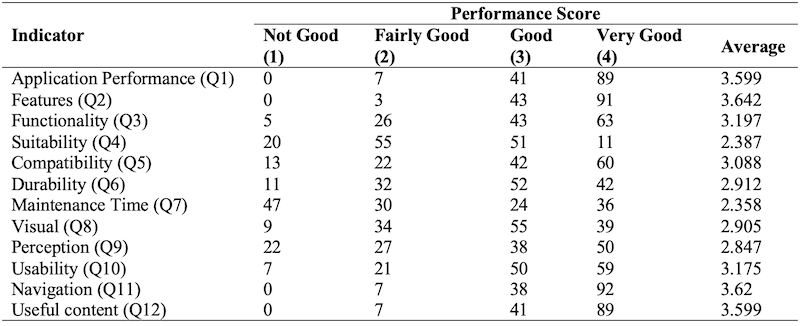
Table 6: Student Responses to Importance of Basic Physics Learning Tools using LMS
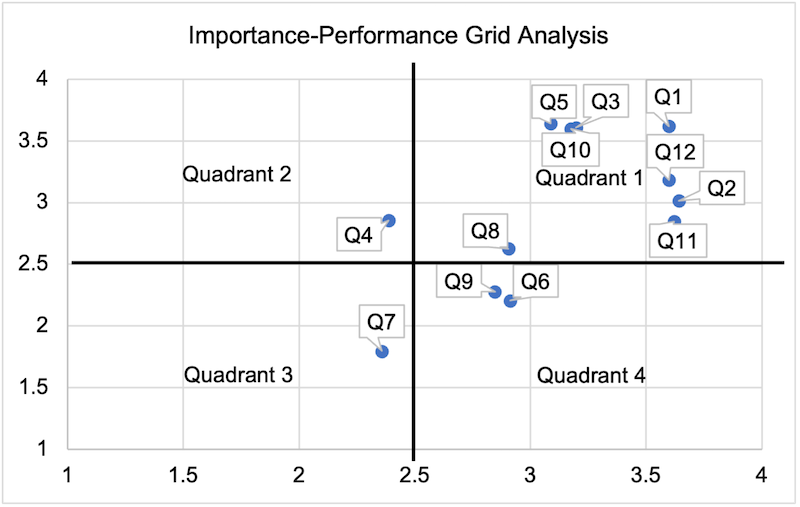
Based on the result plots of the IPA as shown in Figure 3 it was determined that eight out of twelve indicators fell within Quadrant 1 (Q1), which signifies the need to maintain good performance. These indicators consist of Q1 (application performance), Q2 (features), Q3 (functionality), Q5 (compatibility), Q8 (visual), Q10 (usability), Q11 (navigation), and Q12 (useful content). Two indicators, Q6 (durability) and Q9 (perception), were classified within Quadrant 4, which suggests that these indicators are possibly ‘excessive’. One indicator that fell inside Q2, which indicates a need for improvement, was Q4, which pertains to suitability. Additionally, another indicator, Q7, fell within Q3, indicating a low priority in terms of maintenance time.
The final step in the Borg and Gall Method involved revising the educational tool based on the feedback collected during the evaluation phase. This iterative process allowed for continuous improvement, ensuring that the tool remains effective and relevant to its users. Adjustments were made to the content and features, informed by user suggestions and performance data. Educators worked collaboratively to enhance quizzes and assessments, aligning them more closely with learning objectives and student needs.
The validity of ICT-based teaching materials was evaluated through a comprehensive assessment by two expert validators in e-learning and instructional design. This approach ensured that various critical dimensions of the LMS were evaluated to enhance the overall quality and effectiveness of the teaching materials. The assessment encompassed multiple factors, including LMS quality, information quality, service quality, and user convenience. Additionally, it evaluated user satisfaction and the LMS's utility in facilitating the learning of basic physics, along with the organisational structure and materials associated with the LMS. The learning tools within the LMS have shown a high degree of validity, with an average validity rating of 85.6%, classifying it as highly valid with only minimal revisions required.
The validation process of learning materials is crucial for ensuring quality and effectiveness in educational settings. This iterative process ensures that the materials within the LMS are of high quality and tailored to meet educational needs. According to Ali et al. (2023) and Ahmad et al. (2018), the feedback from validators serves as the foundation for refining and improving the learning materials. Additionally, Nalasari et al. (2021) found their ICT-based teaching materials to be valid, while Putri & Candra (2023) also achieved highly valid results for their developed ICT-based learning media. Thus, a rigorous validation process involving expert feedback is essential for the development of effective and reliable educational materials.
The study evaluated the effectiveness of the LMS using IPA based on student responses. This evaluation identified key components that influenced the performance of the learning materials. The analysis revealed significant findings related to several critical components, including application performance, features, functionality, compatibility, visual aesthetics, usability, navigation, and the provision of valuable content. This aligns with Suniasih (2019), who noted that a user's perception of ease of use significantly influences the practicality of educational resources. When students perceive the materials as user-friendly, they are more likely to utilise them effectively. Furthermore, Nalasari et al. (2021) highlight that clarity is the driver of practicality; when students find an interface user-friendly, their comprehension improves.
However, one area identified for further improvement was appropriateness, which involves aligning the materials with user expectations. The alignment between the materials and specific user expectations requires further optimisation. This is in line with a study by Rahman and Azizah (2025) who stated that there is still a gap between user expectations and satisfaction. In summary, while the study demonstrated the overall effectiveness of the ICT-based learning materials, it underscores the necessity for ongoing enhancements to meet user expectations more effectively.
This research led to the successful development of an ICT-based LMS for higher education physics using the Borg and Gall Model. The expert validation process demonstrated the quality of the learning tools integrated into the LMS, achieving an average validity score of 85.6%. The process of validation resulted in "valid with minor revisions", confirming that the content, structure, and instructional design met the rigorous criteria required for higher education settings. The IPA revealed that the most critical factors of the LMS were application performance, functionality, visual aesthetics, usability, and navigation. These components fell into Quadrant 1 ("Maintain Performance"), indicating they were effectively driving user satisfaction.
Despite these positive outcomes, this research acknowledges specific limitations. The IPA results identified ‘suitability’ (appropriateness to user expectations) as a variable in Quadrant 2, indicating a gap between the content delivery and specific student preferences. Additionally, the study was conducted with a specific sample of undergraduate physics students, which might limit the generalisability of the findings to other disciplines or institutions.
Acknowledgement: This research was funded by the Ministry of Religious Affairs of the Republic of Indonesia through the BOPTN research grant from UIN Maulana Malik Ibrahim Malang.
Abtokhi, A., Fahmi, H., & Sholahuddin, M. (2024). The impact of Moodle LMS integration on group discussions to support collaborative learning. Proceedings — 21st International Joint Conference on Computer Science and Software Engineering, JCSSE 2024, 642-647. https://doi.org/10.1109/JCSSE61278.2024.10613717
Abtokhi, A., Jatmiko, B., & Wasis, W. (2021). Evaluation of self-regulated learning on problem-solving skills in online basic physics learning during the COVID-19 pandemic. Journal of Technology and Science Education, 11(2). https://doi.org/10.3926/jotse.1205
Açıkgöz, Ö., Aslan, A., & Günay, A. (2022). Evaluation of the level of problem solving skills of Turkish higher education graduates in technology-rich environments. Educational Technology Research and Development, 70(5), 1893-1910. https://doi.org/10.1007/S11423-022-10120-0/TABLES/4
Ahmad, M., Pratiwi Siregar, Y., & Siregar, N.A. (2018). Validitas Model Pembelajaran Matematika Realistik Berbasis Budaya Mandailing dalam Membelajarkan Kemampuan Koneksi Matematis Siswa. Jurnal Education and Development Institut Pendidikan Tapanuli Selatan, 6(2). https://doi.org/10.37081/ed.v6i2.695
Akbar, R.I. (2021). Pengembangan Instrumen Penilaian LMS menggunakan Importance Performance Analysis Matrix. Format: Jurnal Ilmiah Teknik Informatika, 9(2). https://doi.org/10.22441/format.2020.v9.i2.005
Ali, S.B., Mursalin, M., & Buhungo, T.J. (2023). Validity of problem-based learning tools with the steam approach to improve student learning outcomes on thermodynamics material. Jurnal Pijar Mipa, 18(5), 743-746. https://doi.org/10.29303/JPM.V18I5.5521
Bancong, H., & Subaer. (2013). Profil Penalaran Logis Berdasarkan Gaya Berpikir dalam Memecahkan Masalah Fisika Peserta Didik. Jurnal Pendidikan IPA Indonesia, 2(2), 195–202. https://doi.org/10.15294/JPII.V2I2.2723
Batdi, V., Aslan, A., & Zhu, C. (2018). The effect of technology supported teaching on students’ academic achievement: A combined meta-analytic and thematic study. International Journal of Learning Technology, 13(1). https://doi.org/10.1504/IJLT.2018.091632
Desai, R., & Patwardhan, S. (2025). Bridging motivation and technology: Integrating ARCS Model in LMS. Journal of Engineering Education Transformations, 38(Special Issue). https://doi.org/10.16920/jeet/2025/v38is2/25064
Djudin, T. (2023). Transferring of mathematics knowledge into the physics learning to promote students’ problem-solving skills. International Journal of Instruction, 16(4). https://doi.org/10.29333/iji.2023.16414a
Gumisirizah, N., Muwonge, C.M., & Nzabahimana, J. (2024). Effect of problem-based learning on students’ problem-solving ability to learn physics. Physics Education, 59(1). https://doi.org/10.1088/1361-6552/ad0577
Hidayati, D., Widiati, U., Zen, E.L., & Ivone, F.M. (2025). Developing an LMS-based of ESP course for Islamic undergraduate students. Social Sciences and Humanities Open, 11. https://doi.org/10.1016/j.ssaho.2025.101635
Jatmiko, B., Widodo, W., Martini, M., Budiyanto, M., Wicaksono, I., & Pandiangan, P. (2016). Effectiveness of the INQF-based learning on a general physics for improving student’s learning outcomes. Journal of Baltic Science Education, 15(4), 441-451. https://doi.org/10.33225/jbse/16.15.441
Junus, I.S., Santoso, H.B., Isal, R.Y.K., & Utomo, A.Y. (2015). Usability evaluation of the student centered e-learning environment. International Review of Research in Open and Distance Learning, 16(4). https://doi.org/10.19173/irrodl.v16i4.2175
LeBlanc, P.J. (2018). Higher education in a VUCA world. Change: The Magazine of Higher Learning, 50(3-4). https://doi.org/10.1080/00091383.2018.1507370
Lubis, S.N., Fauzia, L., & Utami, D. (2020). CSI (Customer Satisfaction Index) and IPA (Importance Performance Analysis) of Mandheling coffee in Medan. IOP Conference Series: Earth and Environmental Science, 454(1). https://doi.org/10.1088/1755-1315/454/1/012007
Mahzum, E., Sofyan, H., Nasrudin, M.F., Mailizar, M., & Herliana, F. (2023). Analysis of the utilization of the Learning Management System (LMS) as a learning media in the Physics Education Department Universitas Syiah Kuala. Journal of Physics: Conference Series, 2596(1). https://doi.org/10.1088/1742-6596/2596/1/012070
Nalasari, K.A., Suarni, N.K., & Wibawa, I.M.C. (2021). Pengembangan Bahan Ajar Berbasis Web Google Sites pada Tema 9 Subtema Pemanfaatan Kekayaan Alam di Indonesia untuk Siswa Kelas IV Sekolah Dasar. Jurnal Teknologi Pembelajaran Indonesia, 11(2). https://doi.org/10.23887/jurnal_tp.v11i2.658
Nazhifah, N., & Fathurohman, A. (2023). Teachers’ perspectives on the Learning Management System (LMS) in physics subject: A preliminary study. Jurnal Ilmiah Pendidikan Fisika, 7(1). https://doi.org/10.20527/jipf.v7i1.7224
Pustaka, A., & Saksono, H. (2012). Designing e-learning environment to encourage student centred learning. International Conference on Innovation, Practice and Research in Engineering Education, Conference Proceedings.
Putri, S.A., & Candra, F. (2023). Design of a web-based Learning Management System for physics education FKIP University of Riau. INOVTEK Polbeng — Seri Informatika, 8(1). https://doi.org/10.35314/isi.v8i1.2921
Rahman, M. (2019). 21st century skill “Problem Solving”: Defining the concept. Asian Journal of Interdisciplinary Research, 2, 64-74. https://doi.org/10.34256/AJIR1917
Rahman, T., & Azizah, A. (2025). Analysis of the quality of “online equivalent” e-Learning using Webqual 4.0 and IPA methods. JURTEKSI (Jurnal Teknologi Dan Sistem Informasi), 11(4). https://doi.org/10.33330/jurteksi.v11i4.3792
Rizal, R. (2023). Could the digital literacy of preservice physics teachers be improved by Learning Management System Supported Smartphone (LMS3) application in a physics online lecture? Physics Education, 58(2). https://doi.org/10.1088/1361-6552/aca864
Santoso, H.B., Schrepp, M., Yugo Kartono Isal, R., Utomo, A.Y., & Priyogi, B. (2016). Measuring user experience of the student-centered e-learning environment. Journal of Educators Online, 13(1). https://doi.org/10.9743/JEO.2016.1.5
Setiawan, A., Zuhri, M., & Zhang, Y. (2022). Learning Management System using Scorm and iSpring Free on physics learning. Journal of Science Education and Practice, 6(2). https://doi.org/10.33751/jsep.v6i2.5941
Setyaningrum, F.E. (2020). Customer Satisfaction Index (CSI) and Importance Performance Analysis (IPA) Methods of exclusive matte lip cream. IJIEM — Indonesian Journal of Industrial Engineering and Management, 1(2). https://doi.org/10.22441/ijiem.v1i2.10220
Suniasih, N.W. (2019). Pengembangan Bahan Ajar Neurosains Bermuatan Pendidikan Karakter dengan Model Inkuiri. Mimbar Ilmu, 24(3). https://doi.org/10.23887/mi.v24i3.22542
Untoroseto, D., & Triayudi, A. (2023). Analysis of blended learning development in distance learning in variation of Borg & Gall and Addie Models. Journal La Multiapp, 4(6). https://doi.org/10.37899/journallamultiapp.v4i6.973
Vidal, J. (2023). Systems thinking in education: Its application in a D-VUCA world. SSRN Electronic Journal. https://doi.org/10.2139/ssrn.4334037
Waller, R.E., Lemoine, P.A., Mense, E.G., Garretson, C.J., & Richardson, M.D. (2019). Global higher education in a VUCA world: Concerns and projections. Journal of Education and Development, 3(2). https://doi.org/10.20849/jed.v3i2.613
Widarini, W., Abdullah, F., & Anggara, I. (2025). Strategic optimization of LMS in higher education for working-class students using SWOT analysis. Jurnal Riset Dan Inovasi Pembelajaran, 5(1). https://doi.org/10.51574/jrip.v5i1.2859
Winingsih, P.H., Kuswanto, H., Saputro, H., Purwanto, J., Erlangga, S.Y., Purnama, A.Y., Sebastian, R., & Silvia, S. (2023). Analysis of understanding of physics concepts through problem solving units review in free fall motion materials. Revista Mexicana de Física E, 20(2) (Jul-Dec), 020205 1-6-020205 1-6. https://doi.org/10.31349/REVMEXFISE.20.020205
Author Notes
Ahmad Abtokhi is an Associate Professor in the Department of Islamic Elementary Teacher Education at Universitas Islam Negeri Maulana Malik Ibrahim Malang, where he currently serves as the Head of the Department. As an active researcher in Physics Education, his work focuses on the development of problem-solving skills in physics learning, educational technology, and Learning Management Systems (LMS). His main project focuses on improving the madrasah education in Indonesia. Email: abtokhi@fis.uin-malang.ac.id (https://orcid.org/0000-0002-2328-251X)
Hisyam Fahmi is a Senior Lecturer in the Mathematics Department at Universitas Islam Negeri Maulana Malik Ibrahim Malang. He currently serves as the Secretary of the Mathematics Department and the Head of the Computational and Programming Laboratory. His research interests include image processing, data mining, machine learning, and big data. Additionally, his work involves the development and analysis of educational technology for schools and universities in Indonesia. Email: hisyam.fahmi@uin-malang.ac.id (https://orcid.org/0000-0002-2665-1536)
Mohammad Sholahuddin is a researcher and university archivist at Universitas Islam Negeri Maulana Malik Ibrahim Malang. His research interests are centered on academic document archiving and the implementation of learning governance within higher education institutions. Email: sholahuddin@uin-malang.ac.id (https://orcid.org/0009-0000-6092-9741)
Cite as: Abtokhi, A., Fahmi, H., & Sholahuddin, M. (2026). Critical factors of a learning management system to support students' problem-solving skills in physics learning. Journal of Learning for Development, 13(2), 361-373.
